I say this, not the Lord
Before I say anything else, I want to be clear about what kind of article this is.
In 1 Corinthians 7, Paul gives some advice and then stops to label it: “I, not the Lord.” He wanted the church to know the difference between a command from Jesus and the counsel of an experienced apostle. I want to do the same thing here.
There is no biblical mandate to stay in one ministry for a certain number of years. Nobody sins by leaving a church after five years, and nobody earns a crown for staying fifty. What follows is my own conviction, built from Scripture’s patterns, from what researchers have found, and from watching ministries up close. Take it as counsel, not command.
What Scripture shows
The Bible gives us both kinds of leaders.
Some stayed a long time. Moses led Israel for forty years in the wilderness. Samuel judged Israel all the days of his life (1 Samuel 7:15). These were long, faithful seasons in one place with one people.
Others moved constantly. The apostles were planting a church that didn’t exist yet, so they went where it wasn’t. Paul stayed eighteen months in Corinth (Acts 18:11) and about three years in Ephesus (Acts 20:31), and those were his long stops. Then he left Timothy in Ephesus and Titus in Crete to keep building what had been started (1 Timothy 1:3; Titus 1:5).
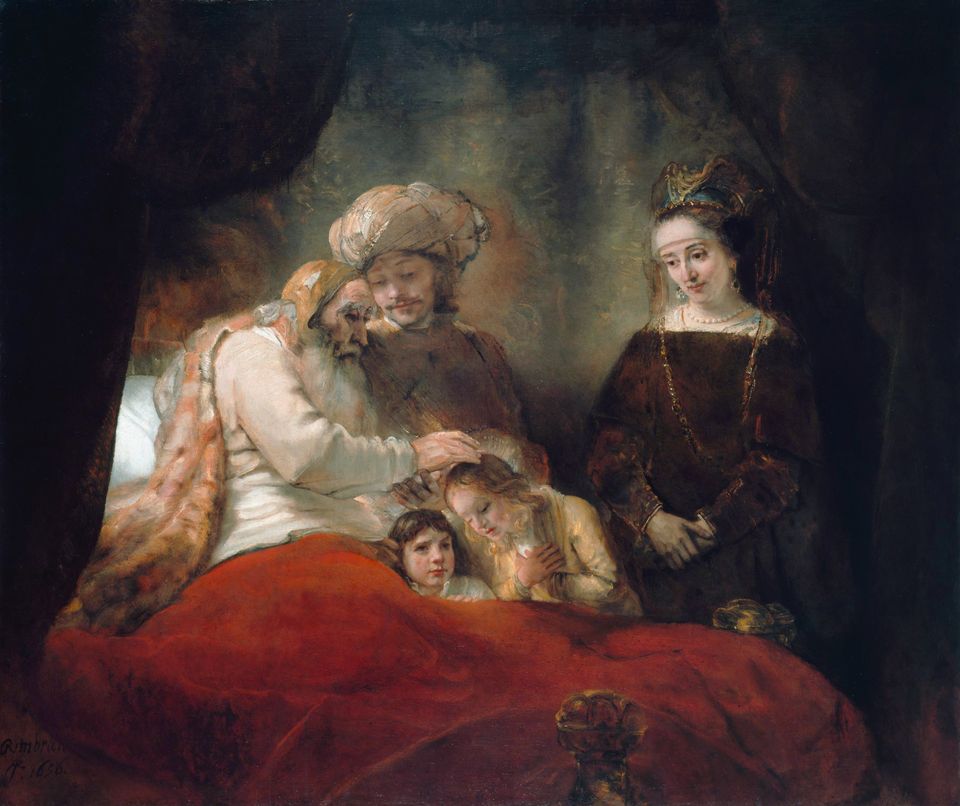
What both kinds of leaders share is this: they planned for someone to come after them. Moses laid his hands on Joshua in front of the whole congregation (Numbers 27:18–23). Elijah threw his cloak over Elisha years before he was taken up. Paul spent his last letter making sure Timothy would carry on. Long tenure or short, the pattern in Scripture is that faithful leaders pass it on.
What the research shows about staying
Here’s where it gets interesting. Researchers who study churches keep finding the same thing: the good years come later than most pastors stay.
Thom Rainer’s research found that more than half of pastors leave a church before their fourth anniversary, yet a pastor’s most fruitful years usually don’t begin until somewhere around years five to seven. An older study from the Institute for American Church Growth landed in the same place, with a pastor’s most effective years beginning in the sixth or seventh year.
Rainer also noticed something about timing. The most common window for serious church conflict is years two through four. So a lot of pastors leave right in the middle of the hard part, just before the fruitful part begins. They plant, they water, they weed, and they move on before the harvest.
Church members feel this too. Rainer heard from many of them that a new pastor didn’t really feel like “their pastor” until about five years had passed. Trust takes time. There’s no shortcut.
What about small and rural churches?
Most of the big studies lean toward larger or denominational churches, so it’s fair to ask what this looks like in small places. The honest answer is that hard numbers on rural tenure are scarce. But what we have points the same direction.
Tenure overall is getting longer, but long tenure is still rare. Lifeway Research’s 2025 study of more than 1,500 evangelical and Black Protestant pastors put the median tenure at one church at eight years. Only 15 percent said they had been at their current church for 25 years or more.
Small churches tend to see shorter tenures. George Barna found that the smaller the church, the more likely its pastor is to stay only a few years. Many pastors start in small, rural churches and move on, sometimes to a bigger church, sometimes because the church pushed them out. Trevin Wax put it bluntly: there are more pastor-chasing churches than church-hopping pastors.
Bi-vocational ministry is part of the picture too. The National Congregations Study found that about a third of U.S. congregations (35 percent in 2018–19) are led by a pastor who also holds another job, and those congregations are mostly small. Some observers report that bi-vocational pastors stay shorter than full-time ones, though I haven’t found solid numbers behind that.
That’s exactly why I think the case for staying matters most in small places. In a small town, everybody knows whether the pastor is going to stick around. A church of eighty that gets a new pastor every three years never reaches the fruitful years at all.
Why the second and third decades
The research mostly compares “before year five” with “after year five.” Nobody I’ve found has measured fruitfulness decade by decade. So this next part is my own observation, not a statistic.
I think the best stuff happens in the second and third decades. This is what I was taught by both a rather-famous large-church mentor and a successful small-town rural pastor mentor, so I’m a little biased to believe them. Both are named John.
The first decade is about earning trust and learning the place. You find out who the people really are, what the town needs, and where the old wounds are. You make mistakes and stay long enough for people to see you own them.
The second decade is when you get to build on that trust. You’ve buried people’s parents and married their kids. You can say hard things and be heard, because they know you love them. You can start things that take ten years to grow, because people believe you’ll still be there.
The third decade is when you get to see what you planted. The kid you baptized is now leading a small group. The man you discipled is discipling someone else. You stop being the one who does the ministry and become the one who multiplies it. That’s a good season, and you only get there by staying.
Why hand it off around thirty years
If staying is so good, why not stay forever?
Because the ministry was never ours to keep. Paul’s instruction to Timothy is one of the clearest leadership plans in the Bible: “what you have heard from me in the presence of many witnesses entrust to faithful men, who will be able to teach others also” (2 Timothy 2:2). That’s four generations in one verse: Paul, Timothy, faithful men, and others. The goal isn’t one great leader. It’s a chain of faithful ones.
Thirty years seems like a good season to me. It’s long enough to reach the fruitful decades and see some of the harvest. It’s also early enough to hand things off while you still have the energy to help the next leader succeed.
I’m writing this as someone in the middle of it. I planted Living Faith Church more than twenty years ago, and three or four years ago we started the process of passing leadership to the next pastor. I’m in my early fifties, which means I’m young enough to do this at least one more time: spend another couple of decades building into another ministry, and then hand that one off too.
Interestingly, the research lands near the same number. William Vanderbloemen and Warren Bird studied pastoral succession in large Protestant churches for their book Next: Pastoral Succession That Works. They found that the senior pastors they studied served an average of thirty years and transitioned around age sixty-five. Bird also concluded from more than a hundred interviews that the typical long-term pastor of a large church leaves about five years too late.
That last finding stuck with me. Most of us don’t overstay because we’re proud. We overstay because we love the people and we can’t picture leaving. But holding on too long can make it harder for the next leader, and harder for the church to see that it belongs to Jesus, not to us.
Business researchers have a name for what happens when a leader stays too long: entrenchment. Study after study of company CEOs and board members finds the same shape, an upside-down U. Performance rises over a leader’s first years as he learns the organization, peaks, and then declines as his learning levels off and his grip tightens. In corporate America that peak comes early, somewhere around nine to fourteen years. But one large study of S&P 1500 companies found something telling: the more stable the organization, the later the peak. A church is about as stable an organization as there is, which helps explain why the fruitful years in ministry run so much longer. The shape is still the same, though. There is a top of the curve, and wise leaders hand things off before they slide down the other side.
How to hand it off well
A handoff is not a moment. It’s a process, and it starts years before the last Sunday.
Start the conversation early. Vanderbloemen and Bird saw the same pattern again and again: churches wait too long to talk about succession. If you’re in your second decade, it’s not too early to pray about who comes next.
Nonprofits struggle with this too. A 2017 BoardSource study found that only 27 percent of nonprofit boards had a written succession plan in place.
Raise up faithful people now. 2 Timothy 2:2 isn’t a retirement plan. It’s a way of doing ministry the whole time. If you’ve been investing in people for thirty years, the next leader may already be sitting in your pews.
Bless your successor in public. Moses commissioned Joshua “in the sight of all the congregation” (Numbers 27:19). People need to see the old leader honor the new one.
Then step back. A study of pastors who followed long-tenured predecessors found that what the old pastor chose to do mattered more than whether he stayed in the church or the town. Some former pastors stay and are a great gift. Others stay and quietly make it impossible for anyone to follow them. The difference is whether you let go.
Nonprofit research says something similar, and it surprised me. Many leaders are told a clean break is best: the founder leaves and stays out of the way. But when The Bridgespan Group studied founder transitions using IRS data and a survey with BoardSource and GuideStar, they found the most successful model was a founder who stayed on in a continuing role, paired with a successor from inside the organization. Nearly half of the organizations where the founder didn’t stay said the transition would have gone better if he had. The key, they found, is that the founder keeps a low profile, especially in the early months, so nobody is confused about who is leading now. Stay close, but stay in the second chair.
The church is bigger than any of us
Jesus said, “I will build my church” (Matthew 16:18). Not Peter, not Paul, and not me. Every one of us is a steward of something that belonged to Jesus before we arrived and will belong to him after we’re gone.
That’s why I think long tenure and good succession belong together. Staying long says, “I love these people enough to stick around through the hard years.” Handing it off well says, “I love them enough to make sure they’re cared for when I’m gone.”
Both say the same thing to the church: this was never about me.
So stay long. Go deep. And when your season is done, open your hands and pass it on to faithful people who will pass it on to others.
See also
- Next: Pastoral Succession That Works by William Vanderbloemen and Warren Bird, Baker BooksResearch on succession in large Protestant churches: average senior pastor tenure of thirty years, and why churches wait too long to plan.
- Making Founder Successions Work by Jari Tuomala, Donald Yeh, and Katie Smith Milway, Stanford Social Innovation ReviewThe Bridgespan Group's study of nonprofit founder transitions, and why founders who stay on in a quiet role do best.
- Pastors Remain Committed to the Pulpit Lifeway ResearchThe 2025 study of pastoral tenure: a median of eight years at one church, and only 15 percent at 25 years or more.
- Six Reasons Why Longer-Tenured Pastorates Are Better by Thom RainerWhy a pastor's most fruitful years usually begin around years five to seven.
- The Long Obedience: Why Pastors Who Sprint Burn Out
- 25 Years of Bi-Vocational Ministry: What Got Harder, What Got Easier
- Founders and Organizers: Why Your Ministry Needs Both
Enjoyed this article?