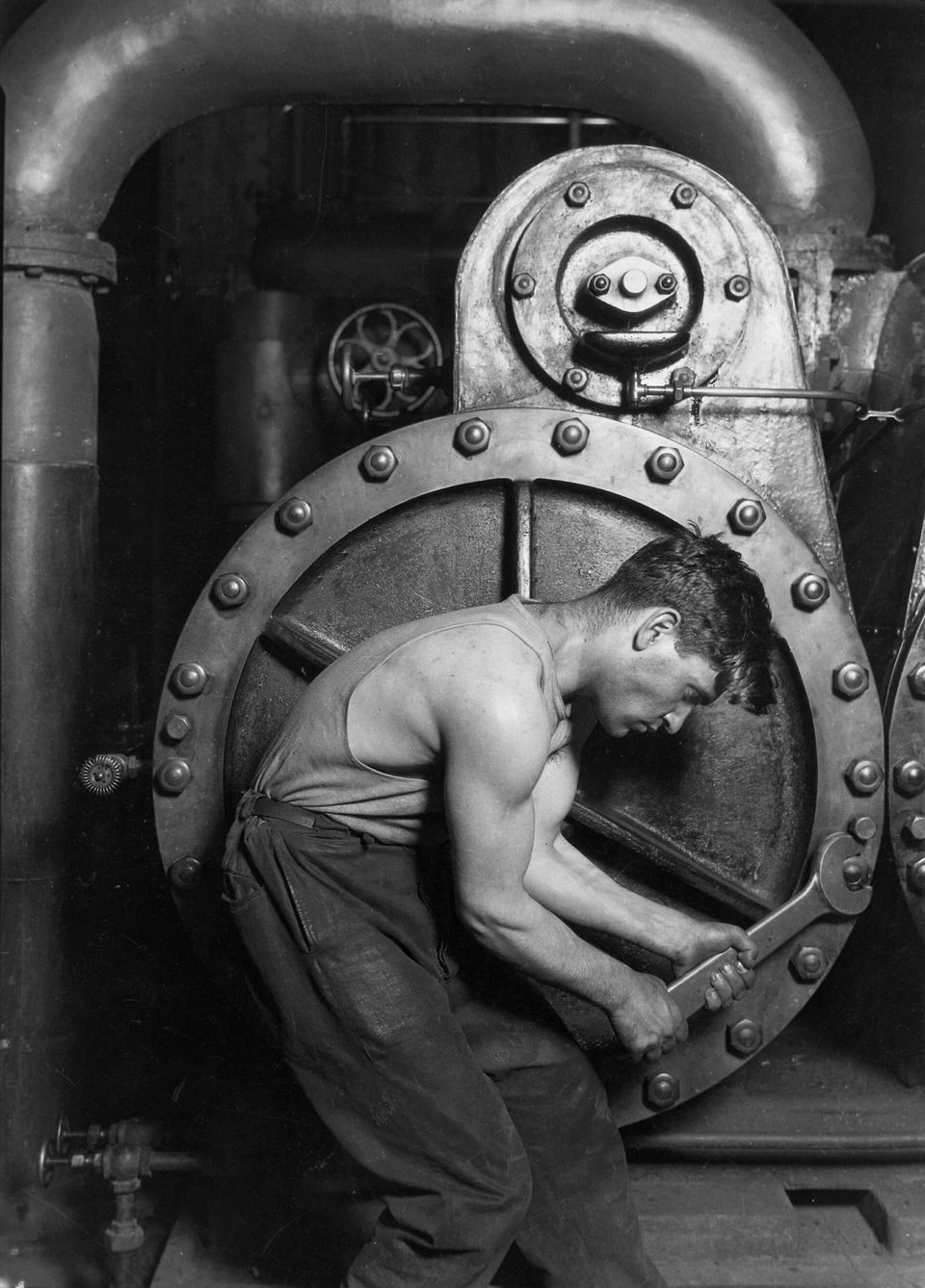
Some days, I’m not sure who’s working for whom.
I spend a chunk of the morning waiting for the computer to finish something. Then I spend the afternoon reviewing what it produced, fixing it, sending it back and waiting again. By the end of the day I’ve been busy for eight hours, and it doesn’t feel like I made anything.
Honestly, it feels like I’m the machine’s editor.
This is the third article in a series on the human side of the AI shift. The first two were The Computer Works for Us and I Feel Stupid Now.
Some of this is just the job
Let me be fair to the machine first.
When you hand work off to somebody else, human or AI, you have to check it. That’s true if I give it to someone on my team, and it’s true if I give it to an AI. If my name is on it, I’m responsible for it. Delegation has always come with some quality control.
So some reviewing is just part of knowledge work today. I’m fine with that.
What bothers me is when reviewing becomes the whole day.
The warning sign
The clearest sign I’ve found that the relationship has flipped is pretty simple. You’re spending more of your day reviewing its work than doing your own.
When that happens, two things go wrong at once. You stop producing anything that feels like yours. And you spend even more hours alone with a screen, cut off from the people you work with. That second part worries me most. A day of waiting and editing is a lonely day.
Nobody planned this
I don’t think companies are trying to push people into this role. I’ve never sat in a meeting where someone said, “Let’s turn our builders into proofreaders.”
The system is drifting that way on its own. We’re all still learning how to work with AI. When you plan out the work for a swarm of coding agents, reviewing all that work is just the shape the job takes. We’re still responsible for what we produce, so somebody has to review everything that got produced, and that somebody is us.
Nobody meant for it to happen, which is exactly why we need to notice it.
Not everyone is wired to be an editor
I think this is the part we’re missing.
Some people are excellent editors. They can scan a page of code or a draft document and spot the problem in seconds. They love that work, and they’re going to do well in an AI world, because the world is now asking everybody to edit.
But not everyone is a good editor or proofreader, and they shouldn’t have to be. People have different gifts. If the only skill the new way of working rewards is reviewing, we’ll lose out on everybody else’s strengths.
What am I afraid we’ll lose?
- The human touch in design. Fundamental design, how something should feel and fit together, still needs a person who cares about it.
- The creative people. Their unique way of seeing things doesn’t show up when their job is checking someone else’s output.
- Context and nuance. The machine doesn’t know the history, the customers, or the hundred small reasons your team does things the way it does. People do.
- The ability to defend an idea. AI is very eager to please, and it tends to agree with you. When your main conversation partner always says yes, you stop practicing how to argue for something and how to be argued with, and before long you stop thinking critically. That’s not good.
Those aren’t small losses. That’s a lot of what made the work good in the first place.
What a day in charge looks like
So what does it look like when I’m in charge?
I get up. I open my calendar and my to-do list. I decide what I want to do that day, and then I delegate what I want to, when I want to.
It sounds almost too simple. But the difference between a good day and a bad one is usually whether I started by deciding or started by reacting.
When the machine is in charge, I spend the whole day reacting to whatever it handed me. When I’m in charge, it’s reacting to me.
How to take charge again
When I notice the relationship has flipped, here’s what I do.
I remind myself that I don’t have to act until I want to. The AI asked a question. That doesn’t mean I have to answer it right now. It isn’t my boss.
I time-box it. I might spend an hour answering its questions and giving it direction. Then I set it loose on what I’ve given it and go do something else, ideally something with people. I come back to it later, when I’m ready.
I don’t answer every question. Some of what it asks doesn’t need me. Some of it can wait. And some of it, honestly, it can figure out on its own.
The machine can run all day. You don’t have to run with it.
The tool serves the worker
In the opening pages of the Bible, God puts the first human in a garden “to work it and keep it” (Genesis 2:15). Work was part of the design from the beginning, and so were tools. People were meant to rule over what they made and used, not the other way around.
I think that’s a good test for any tool. Is it helping you do the work you were made to do? Or are you arranging your whole day around serving it?
You don’t have to share my faith to feel the difference. Most people can tell whether they’re using a tool or the tool is using them.
What to do this week
Start your day by deciding, not reacting. Before you open whatever the AI produced overnight, open your calendar and your list. Choose what matters today.
Time-box the review. Give it an hour, give the AI its direction, and then walk away.
Notice your ratio. If you’re spending more time reviewing than doing your own work, that’s your warning light.
Protect the gifts that aren’t editing. If you’re a designer, a dreamer, a builder or a people person, don’t let the new way of working turn you into a proofreader without saying so out loud. Your team needs what you bring.
Go argue with a human. Find someone who will actually push back on your idea. The machine won’t.
Enjoyed this article?